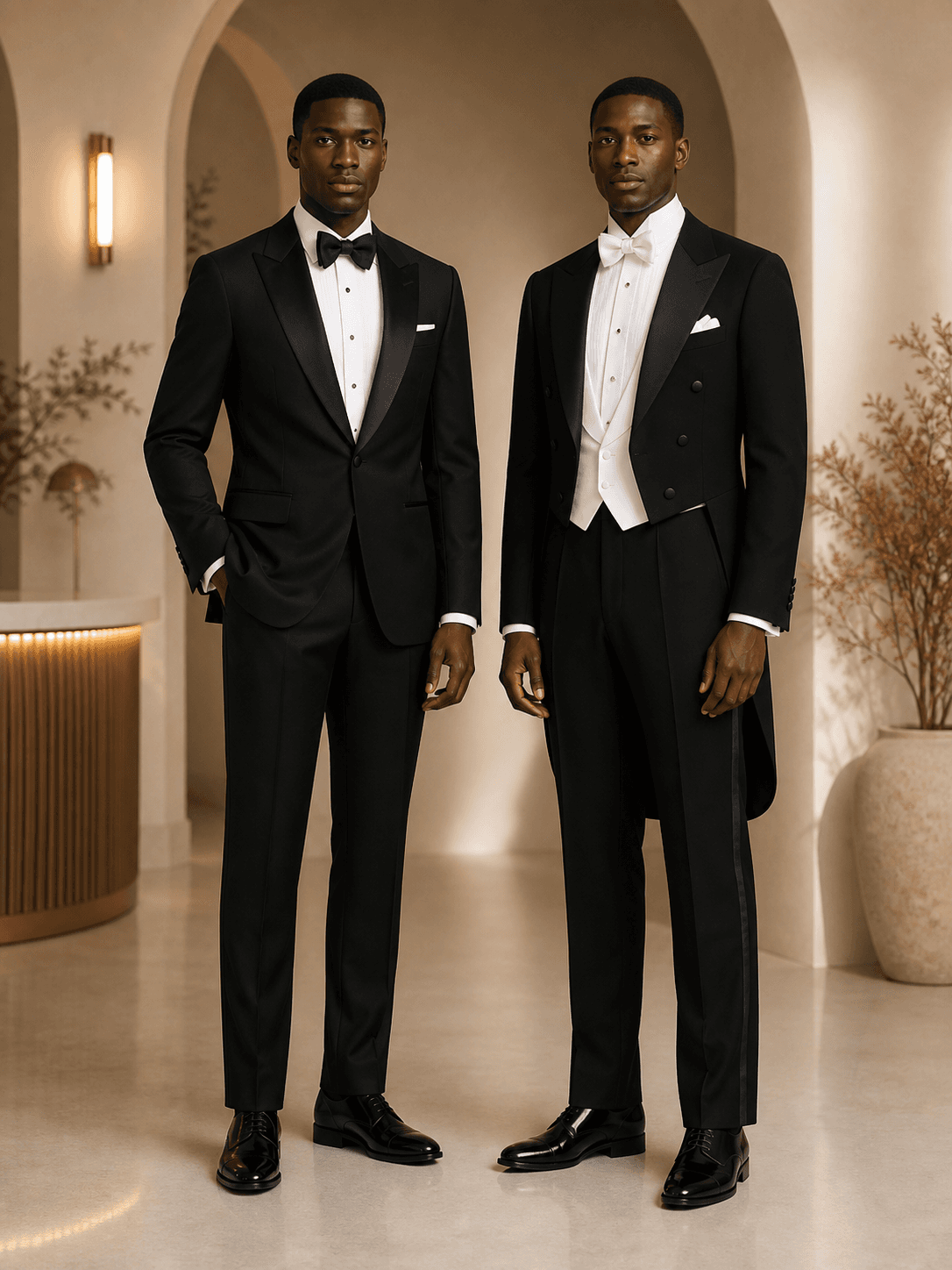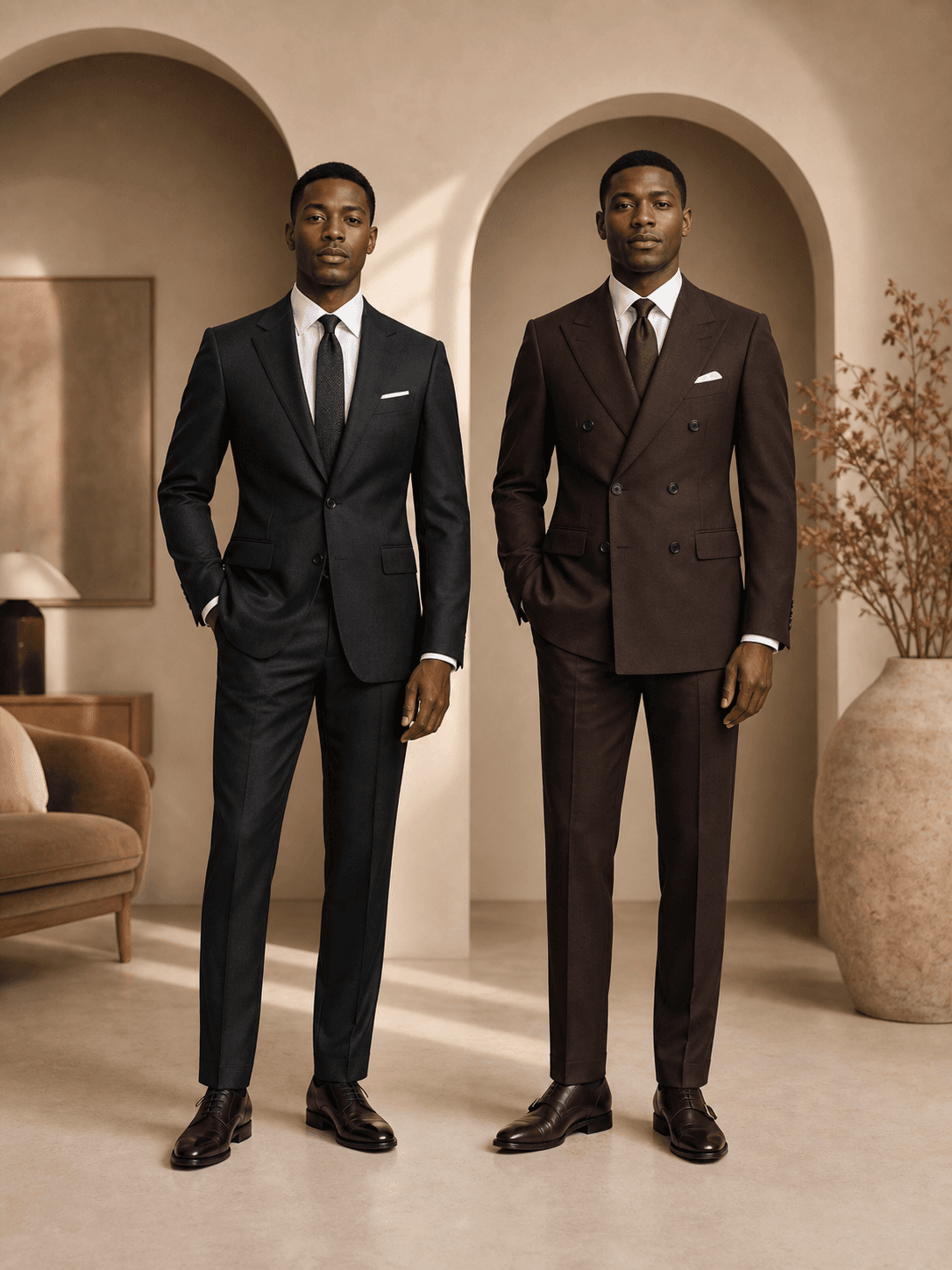
The King of Suits perspective
Introduction
A suit is one of the most powerful garments a man can wear. It communicates confidence, professionalism, discipline, and style before a single word is spoken. However, the true power of a suit does not come from the brand or the price—it comes from how well it fits.
Even the most expensive suit will look poor if it does not fit properly. On the other hand, a well-tailored suit, even one made from modest fabric, can look elegant and impressive when it follows the natural lines of the body.
Unfortunately, many men wear suits that are either too big, too tight, or poorly structured, which ruins the overall appearance. Understanding how a suit should fit is essential for building a wardrobe that reflects both style and professionalism.
This complete guide explains exactly how every part of a suit should fit, from the shoulders to the trousers, helping you achieve the sharp, polished look that a proper suit is meant to deliver.
Why Proper Suit Fit Matters
Before examining individual components of the suit, it is important to understand why fit is so crucial.
A properly fitted suit:
Enhances body proportions
Creates a clean and structured silhouette
Improves posture and presence
Allows comfortable movement
Communicates professionalism and confidence
When a suit fits correctly, it should feel natural and comfortable while also appearing sharp and refined.
At King of Suits, proper fit is the foundation of every garment we create. Our tailoring process focuses on precise measurements and craftsmanship to ensure each suit complements the client’s body perfectly.
The Jacket Fit
The jacket is the most important part of a suit. If the jacket does not fit properly, the entire suit will look incorrect.
The Shoulders
The shoulders are the most critical element of suit fit because they are the hardest part to alter.
A proper shoulder fit should:
Align exactly with the natural edge of your shoulder
Feel comfortable when moving your arms
Not extend beyond the shoulder line
Not create wrinkles or pulling
If the shoulders are too large, the suit will appear sloppy. If they are too tight, the jacket will feel restrictive and create tension lines.
A well-fitted shoulder creates the foundation for the entire suit.
The Chest
The chest area should allow the jacket to close comfortably without appearing tight or loose.
A correct chest fit should:
Allow you to button the jacket comfortably
Provide room to move your arms naturally
Avoid pulling or stretching around the buttons
When the chest is too tight, you will see horizontal pulling lines across the fabric. When it is too loose, the jacket will appear baggy.
The goal is a clean, structured shape that follows the body's natural form.
The Jacket Length
The length of the jacket is another important factor in achieving proper balance.
A traditional rule in tailoring is that the jacket should:
Cover the seat (backside) completely
End roughly around the middle of the hand when the arms are relaxed
A jacket that is too short can look trendy but often loses the elegance of classic tailoring. A jacket that is too long can make the body appear shorter and less balanced.
The correct length creates proportion and harmony.
The Sleeves
Sleeve length plays a major role in how refined a suit looks.
The ideal sleeve length should:
End at the wrist bone
Allow about 1 to 1.5 cm of shirt cuff to be visible
This small detail adds elegance and demonstrates attention to style.
If sleeves are too long, they cover the shirt cuff entirely and look untidy. If they are too short, the proportions appear awkward.
The Waist and Jacket Shape
A well-tailored jacket should follow the natural curve of the body.
The waist should be slightly tapered to create a V-shaped silhouette, which enhances masculine proportions.
A properly fitted waist should:
Gently follow the shape of the torso
Not feel tight when sitting or moving
Avoid excess fabric around the stomach area
Modern tailoring often uses slim or modern fits that enhance the body without restricting movement.
The Trouser Fit
While many people focus on the jacket, trousers are equally important in creating a balanced appearance.
The Waist
Suit trousers should sit comfortably on the waist without requiring a belt to stay up.
A proper waist fit should:
Feel secure but comfortable
Allow natural movement
Avoid tightness around the stomach
When trousers fit correctly, they should remain in place naturally.
The Seat
The seat (back area) should follow the natural shape of the body.
Signs of a good seat fit include:
Smooth fabric across the back
No pulling or tightness
No sagging excess fabric
A poor seat fit can quickly make even an expensive suit appear poorly made.
The Trouser Length
The length of suit trousers is known as the break, which refers to how the fabric rests on the shoe.
There are several break styles:
No break – modern and very slim appearance
Half break – slight crease on the shoe (most balanced option)
Full break – traditional style with more fabric resting on the shoe
Most modern suits look best with a half break, which balances elegance and modern style.
The Importance of Tailoring
Off-the-rack suits are made to fit general body shapes, but every person’s body is different. This is why tailoring is essential.
Professional tailoring ensures that a suit:
Matches your exact measurements
Enhances your body proportions
Provides comfort and flexibility
Looks polished and sophisticated
At King of Suits, our tailoring approach focuses on precision craftsmanship, ensuring every suit fits as though it was designed specifically for the client—because it is.
Common Suit Fit Mistakes
Many men unknowingly make mistakes when choosing suits. Some of the most common errors include:
Wearing jackets that are too large
Choosing trousers that are too long
Sleeves that hide the shirt cuff
Overly tight suits that restrict movement
Ignoring shoulder fit
Avoiding these mistakes can dramatically improve your appearance.
Final Thoughts
A suit should never feel like a costume. It should feel like a natural extension of your body and personality.
When a suit fits correctly, it transforms not only your appearance but also the way you carry yourself. Confidence increases, posture improves, and the overall impression becomes sharper and more professional.
Understanding how a suit should fit—from the shoulders to the trousers—allows every man to make better style decisions and invest in clothing that truly enhances his presence.
At King of Suits, we are committed to crafting suits that combine precision tailoring, premium materials, and timeless design. Our goal is simple: to ensure every client walks away wearing a suit that fits perfectly and reflects true elegance.